| By Sea To Mombasa | |||
| Although there were several shipping lines operating between Europe and Mombasa in the 1950s and early 1960s, the two most prominent were Union Castle (British and Commonwealth Shipping) and British India Steam Navigation Company - later taken over by P&O. The three Union Castle ships were one class - unlike BI which carried First Class and Tourist. | |||
| Union Castle Mail Steamship Co Ltd | |||
 |
|||
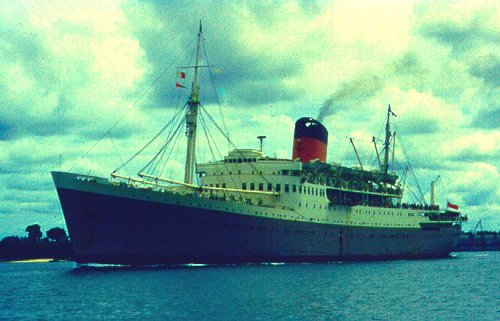
| SS BRAEMAR CASTLE arriving Dar-es-Salaam. On the starboard yardarm (superior to the Royal Mail pendant) she is displaying Flag Hotel - "I have a pilot on board" while on the port yardarm she shows Flag Quebec - "My vessel is healthy and I require free pratique ". - PHOTO Bill Reeves | |||
 |
|||
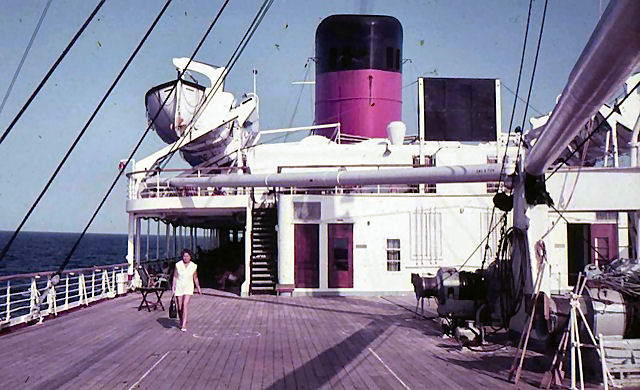
| Looking for'a'd on RHODESIA CASTLE in September 1964. Some years earlier a modified funnel had been fitted. While both the RHODESIA CASTLE and the BRAEMAR CASTLE succumbed to the breakers in 1968, the KENYA CASTLE was sold to Chandris Line and survived until 2001 - PHOTO David Stokes | |||
 |
|||
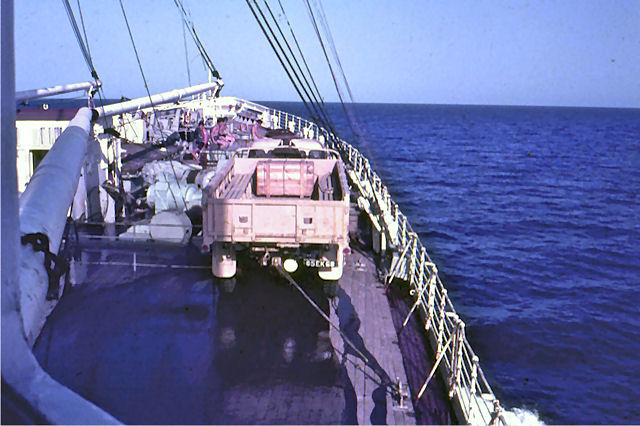
| British Army truck as deck cargo aboard RHODESIA CASTLE - PHOTO David Stokes | |||
 |
|||
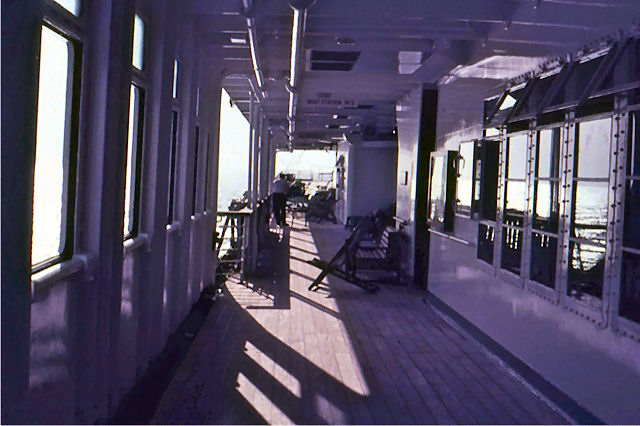
| Looking aft on the promenade deck of the RHODESIA CASTLE which was essentially the same as that of the two sister ships - BRAEMAR CASTLE and KENYA CASTLE - PHOTO David Stokes | |||
 |
|||
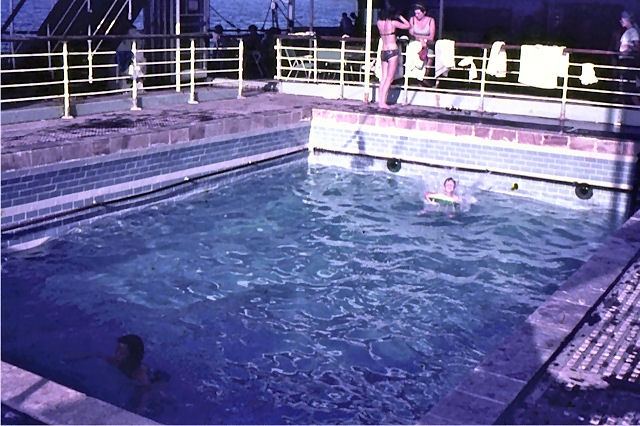
| Swimming Pool on the RHODESIA CASTLE - PHOTO David Stokes | |||
 |
|||
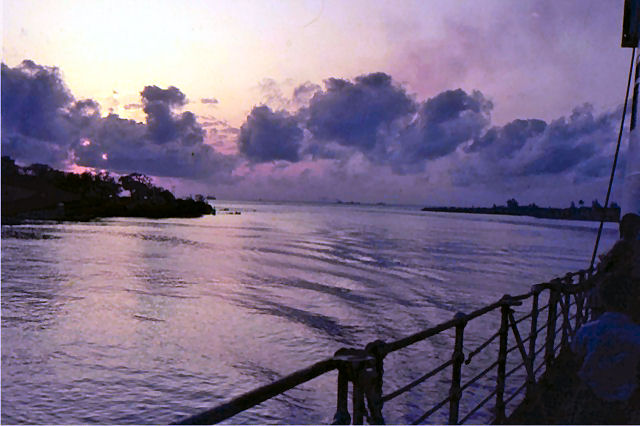
| Entering Kilindini aboard the RHODESIA CASTLE - PHOTO David Stokes | |||
 |
|||
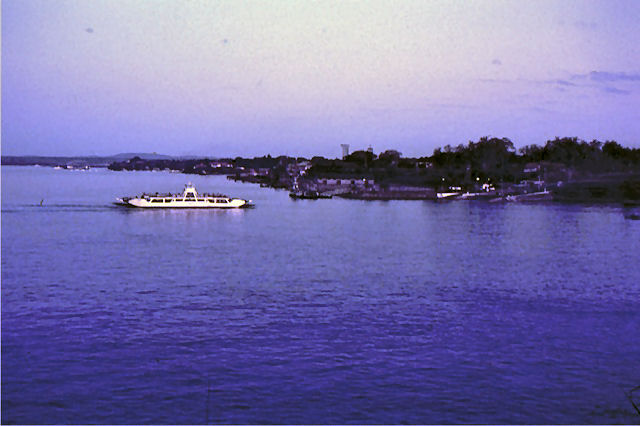
| Likoni Ferry viewed from RHODESIA CASTLE - PHOTO David Stokes | |||
 |
|||
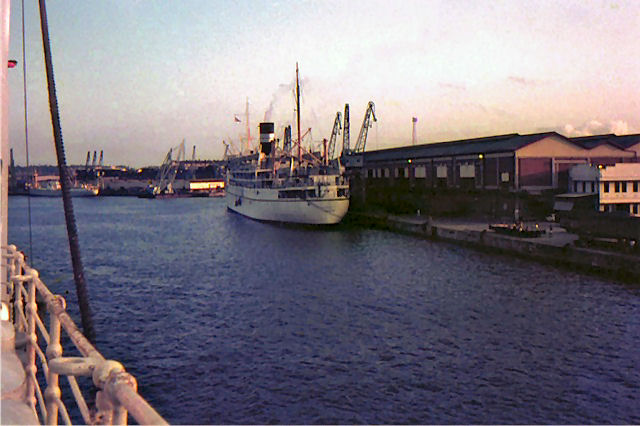
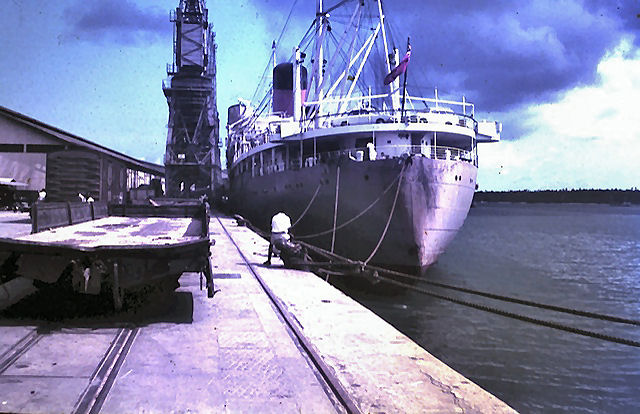
| SS UGANDA alongside Kilindini Mombasa - PHOTO David Stokes | |||
 |
|||
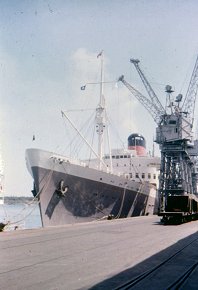
| SS RHODESIA CASTLE alongside at Kilindini, Mombasa - PHOTO David Stokes | |||
 |
|||
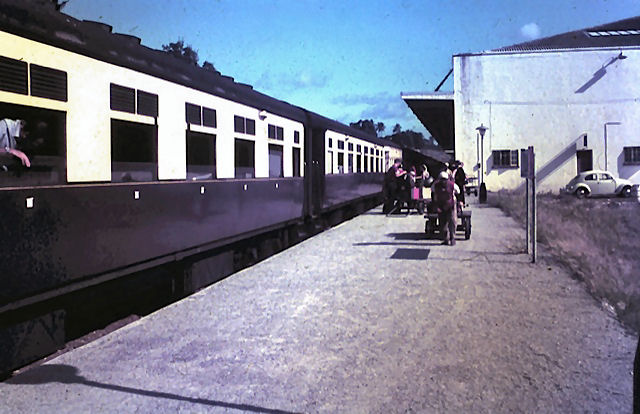
| Second Class coaches of the Mail Train awaiting departure from Mombasa for Nairobi and Kampala - PHOTO David Stokes | |||
|
|
|||
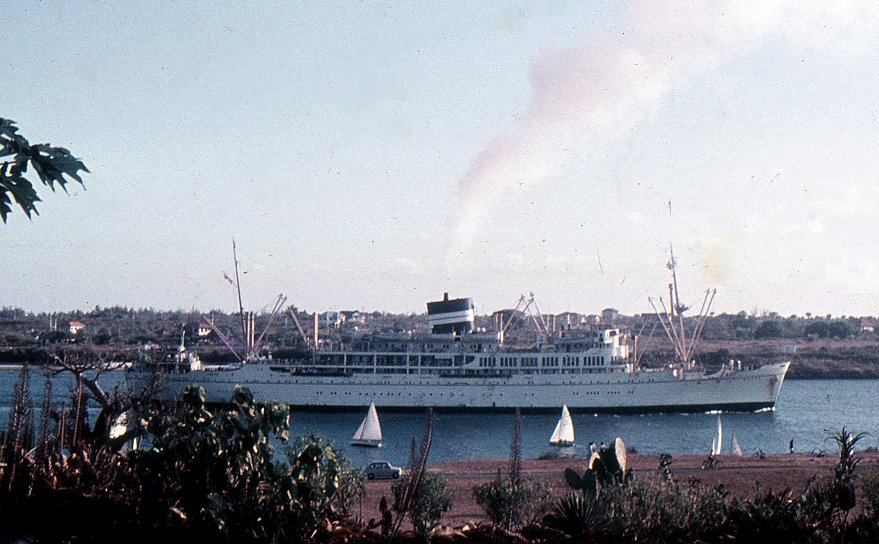
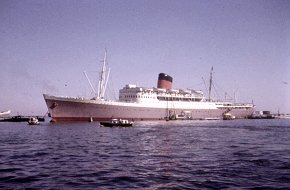
| SS KENYA arriving Mombasa Kilindini around 1960. The KENYA and its sister ship the UGANDA operated British India's East African run between London and Dar-es-Salaam - PHOTO Simon Skudder | |||
|
|
|||
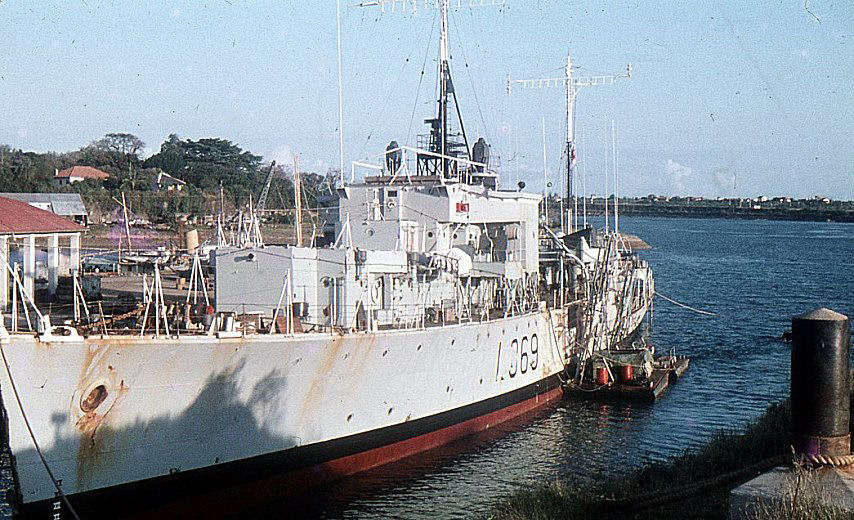
| Mombasa Harbour - Royal East African Navy vessel HMS MEON laid up and certainly showing no ensign - PHOTO Simon Skudder | |||
|
|
|||
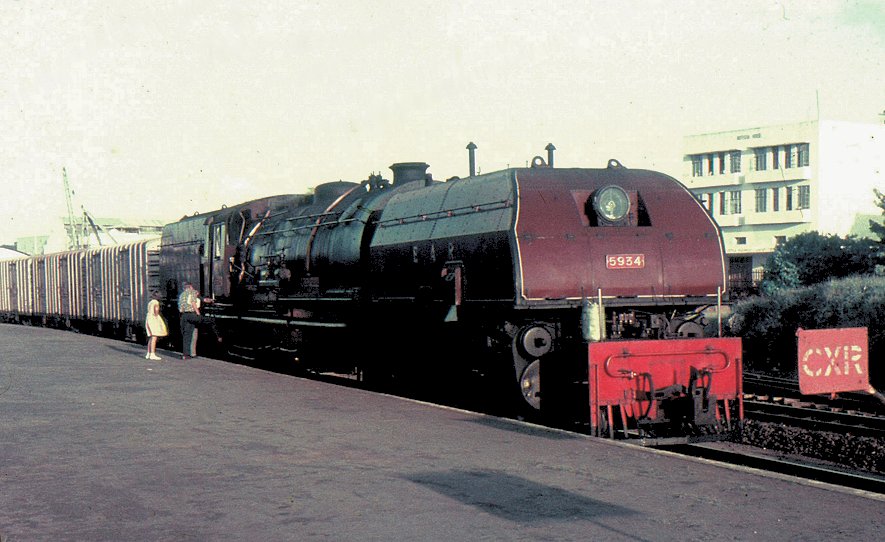
| For passengers disembarking at Mombasa they could travel overnight to Nairobi. Here 59 Class 5934 Menengai Crater is seen at Mombasa Station. The CXR board is attached to the rail in front of the train and signifies that the train is not to be moved - PHOTO Simon Skudder | |||
 |
|||
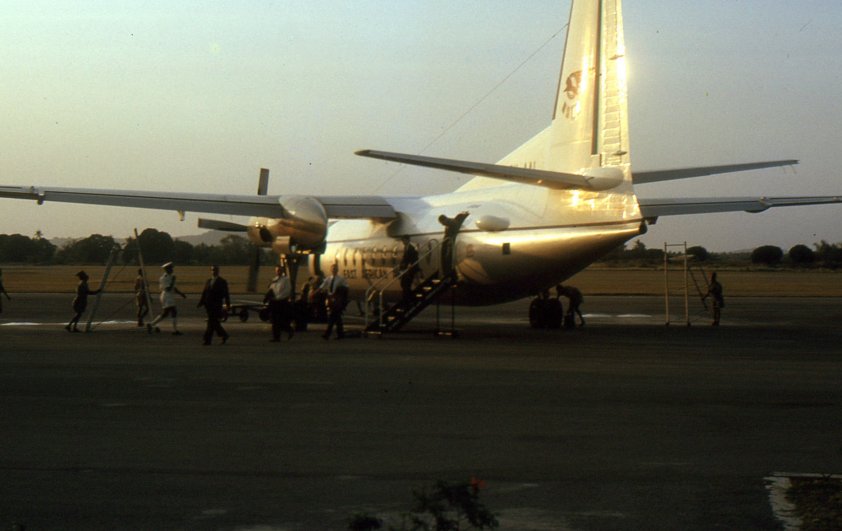
| The alternative means of getting to Nairobi was to fly from Mombasa Port Reitz where an East African Airways Fokker Friendship has just arrived - PHOTO Simon Skudder | |||
|
|
|
||
| MV KENYA CASTLE loading at Kilindini. Like the BRAEMAR CASTLE and the RHODESIA CASTLE, this was a one class ship. Union Castle pioneered one class ships with the custom built BLOMFONTEIN CASTLE built for the South African run by Harland and Wolfe, Belfast, in 1950. PHOTOS - Ron Bullock | |||
|
|
 |
||
|
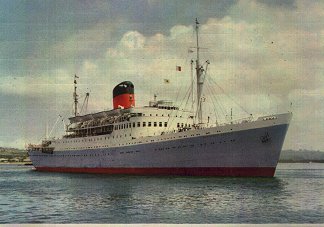
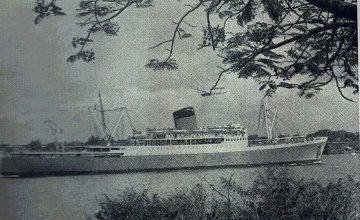
mv BRAEMAR CASTLE (above) There were three sister ships operating between London and Dar-es-Salaam in 1962: the BRAEMAR CASTLE, KENYA CASTLE and the RHODESIA CASTLE - PHOTOs Contemporary Union Castle Publicity Material |
|||
 |
 |
||
|
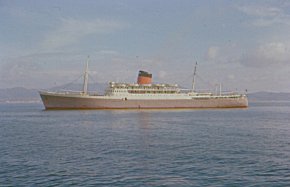
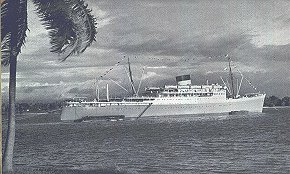
KENYA CASTLE in Kilindi Harbour, Mombasa (left) and at Dar-es-Salaam (right) - PHOTOs Contemporary Union Castle Publicity Material |
|||
 |
 |
||
|
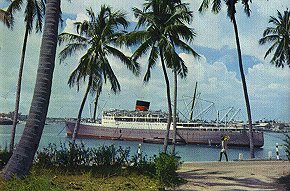
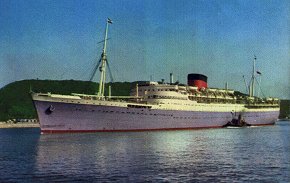
KENYA CASTLE at Dar-es-Salaam (left) and CAPETOWN CASTLE at Durban (right). Durban was the southern terminal for Union Castle and BI ships working the East African coast via Suez - PHOTOs - Union Castle |
|||
|
|
|
||
|
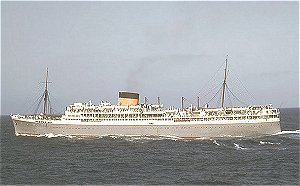
CARNARVON CASTLE at sea in 1954 (left) - PHOTO Ron Bullock. BRAEMAR CASTLE (right) in 1962 after the extensive re-fit to a one-class ship. While changes to the after deck and main mast are apparent, the most obvious change was to the funnel - PHOTO Malcolm McCrow |
|||
|
|
|
|
|
|
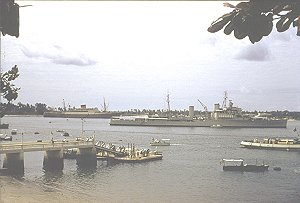
BRAEMAR CASTLE at Aden (left) and (centre) at Kilindini, Mombasa in October 1962 with International Signal flag P (Blue Peter) on the yard indicating that she is preparing to depart - even although the cranes are still working the holds. . She routed via Aden, Port Suez, Port Said, Genoa, Marsailles and Gibraltar to London, arriving in King George V Dock on a dark November's morning. PHOTO - Malcolm McCrow. KENYACASTLE shares Dar-es-Salaam Harbour with the British cruiser HMS CEYLON - PHOTO Ron Bullock. Dar-es-Salaam means "haven of peace". |
|||
 |
 |
||
|
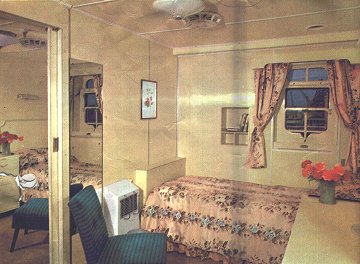
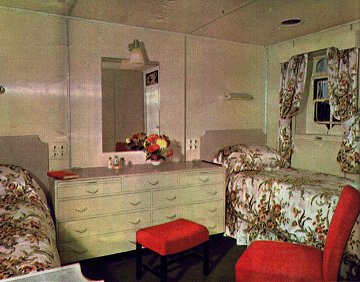
Double and Single air conditioned cabins on A Deck - PHOTOs Contemporary Union Castle Publicity Material |
|||
|
|
 |
||
|
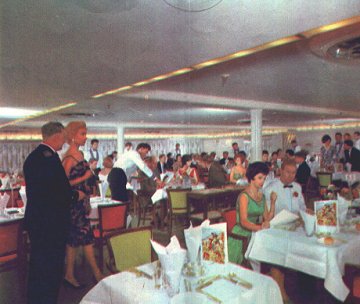
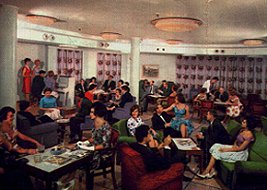
The Dining Room (left) - much less grand than the First Class Dining Room of BI's ss KENYA and ss UGANDA. The Lounge (right) - PHOTOs Contemporary Union Castle Publicity Material |
|||
 |
 |
||
|
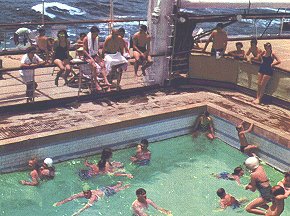
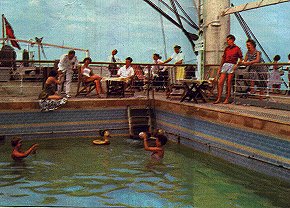
The swimming pool - PHOTOs Contemporary Union Castle Publicity Material |
|||
| British India Steam Navigation Company | |||
 |
 |
||
|
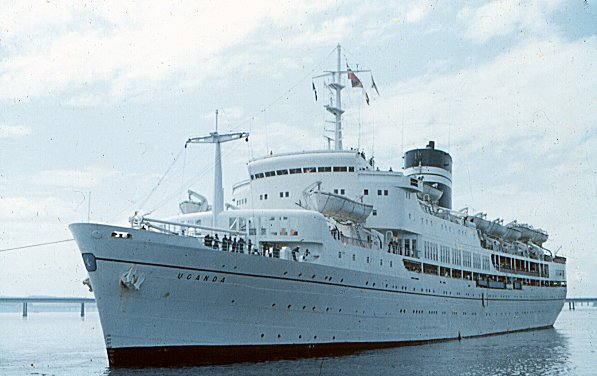
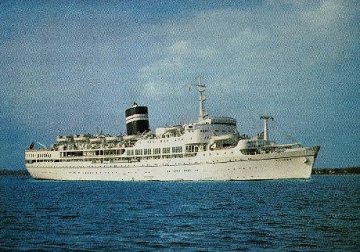
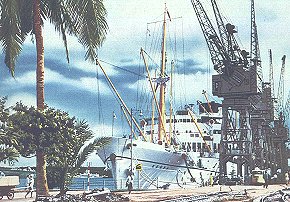
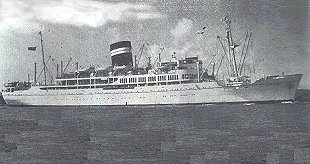
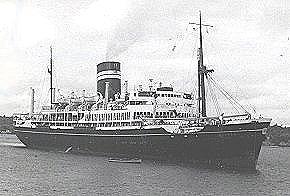
The ss KENYA alongside No1 Wharf, Kilindini (left ) - PHOTO Len Young. The ss UGANDA (right) - - in the white hulled paint scheme which was introduced in the mid-50s. The UGANDA had a higher funnel than the KENYA because there had been complaints about soot on the after deck of the KENYA when she entered service - PHOTO Contemporary BI Publicity Material |
|||
 |
 |
||
|
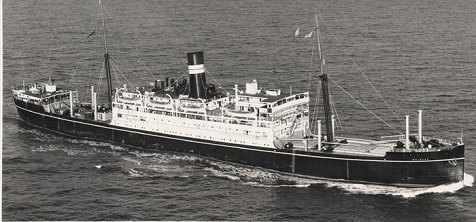
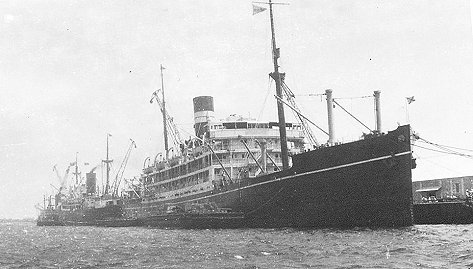
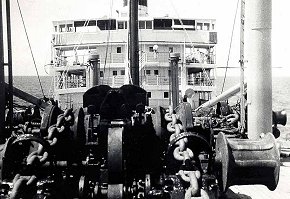
The fo'c's'le (left) of one of the BI "M" class ships, MULBERA, which together with MODASA was on the East African run prior to the introduction of the KENYA and the UGANDA. The ss UGANDA on her maiden voyage at Kilindini in the original black hulled livery prior to 1955 (right) - PHOTOs Ron Bullock |
|||
 |
 |
||
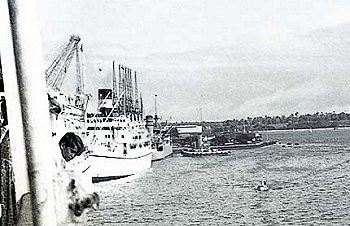
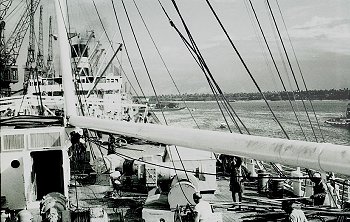
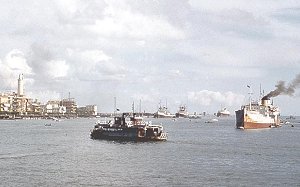
| BI's ss KAMPALA astern of the KENYA CASTLE in Kilindini in 1954 - PHOTOS Ron Bullock | |||
 |
 |
||
|
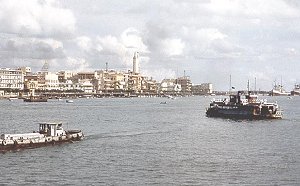
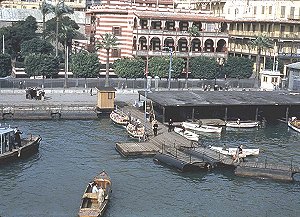
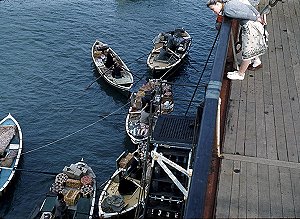
Port Said in 1954 - PHOTOs Ron Bullock |
|||
 |
 |
||
|
The well-remembered "cats" which weaved out from the shore to allow passengers to walk out to the ships. Bum boats with an endless variety of goods - but caveat emptor! (buyer, beware!) - PHOTOs RON BULLOCK. |
|||
|
|
|
||
|
Two shots of MULBERA - at sea and alongside at Port Sudan in the late 40s - PHOTOs Kevin Patience |
|||
 |
|||
 |
|||
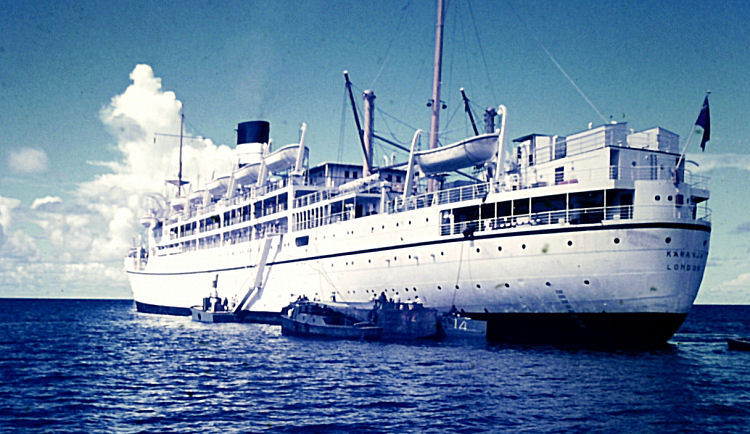
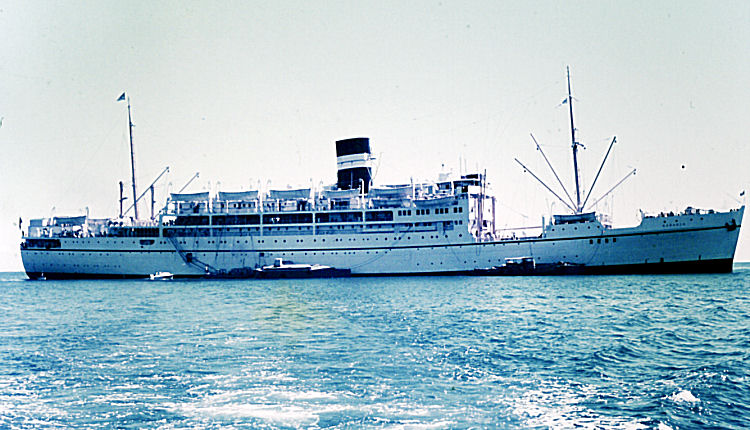
| SS KARANJA off the Seychelles in 1972 - PHOTOs Richard Granville | |||
|
|
|||
|
In the 70s the ss UGANDA was a regular, if not frequent, visitor to the River Tay. Originally operated with the ss KENYA between London and East Africa via Suez, she had been converted to accommodate school pupils in RN-like messdecks. But the fare-paying passengers had roomy cabins and access to the original lounges and first class dining room. Several school cruises originated and/or terminated at Dundee where she is seen departing on a cruise to the Baltic. PHOTO Malcolm McCrow |
|||
|
|
 |
||
|
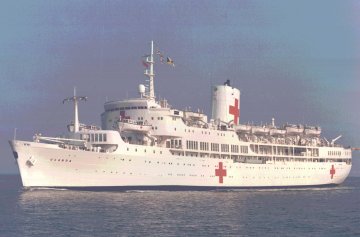
The ss UGANDA in the 1970s after being refitted as a Schools Cruise Ship (left) by which time she had passed to P&O but retained her familiar BI colour scheme. PHOTO P&O. The ss UGANDA in her penultimate guise as a hospital ship in the Falklands War - PHOTOs Contemporary P&O Publicity Material and UK Ministry of Defence. |
|||
| If you are particularly interested in the SS UGANDA you may like to visit Ashley's SS UGANDA Log | |||